
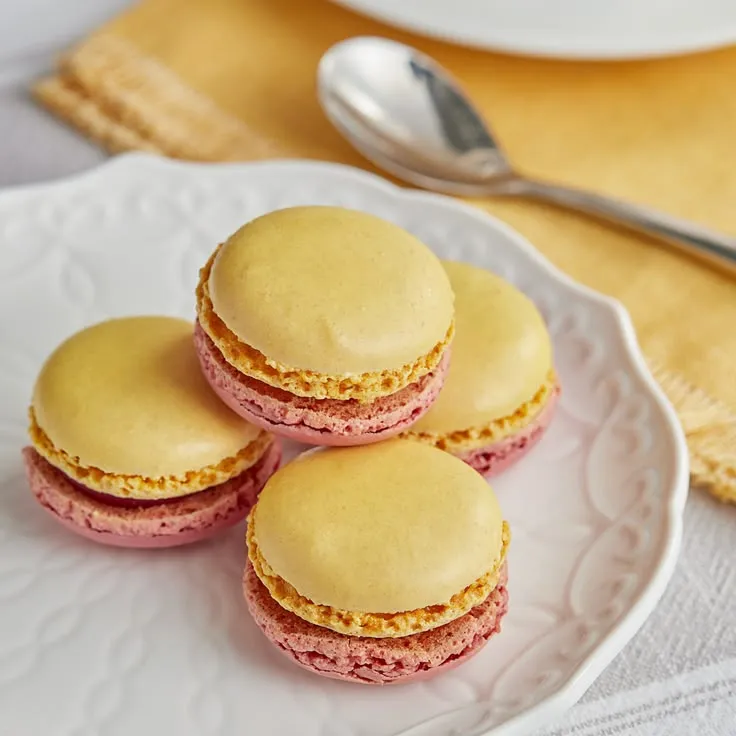
A bakery developer looking at Curcumin Color has to think beyond a bright yellow sample. Doughs and batters contain flour, fat, sugar, leavening agents, proteins, and sometimes acids, all of which can change how a natural pigment appears after baking. FoodRGB lists turmeric-based curcumin for baked goods and snacks, but the final recipe still decides whether the shade stays clear, becomes warmer, or looks softer after heat. Testing the color in the complete batter gives a more useful answer than judging it in water alone.
Curcumin Brings a Bright Yellow
Curcumin is the main coloring pigment in turmeric, and FoodRGB offers it in powder, liquid, oil, and custom formats. The company lists a useful pH range of about 3.0 to 7.0 and describes the color as heat-stable. Those characteristics make it worth testing in cakes, crackers, snack products, and other baked applications that need a yellow tone. The physical format matters too, because a dry mix may handle powder easily while a fat-rich formula may benefit from another form during commercial production.
Beta Carotene Covers Yellow to Orange
For a warmer shade, beta carotene food coloring gives developers another option. FoodRGB lists beta carotene for baked goods and snacks, with powder, oil, and custom formulations among its available formats. Its published information places performance across roughly pH 2.5 to 10.0 and highlights good heat and light stability. That broad range can be useful in bakery work, especially when a formula moves from pale yellow toward orange. Even so, the color should be checked after baking because crust development and browning can alter the final appearance.
Browning Can Hide a Good Color
Baking creates its own background color. Sugar browning, toasted flour, egg, milk solids, and surface drying can make a natural yellow look darker than it did before the product entered the oven. This is why the raw batter should not be the only approval point. Developers can compare the same sample before and after baking, then check the inside and outside separately. A shade that appears too strong in batter may settle into the intended look once browning develops around it during the full baking cycle.
Fat and Water Affect Distribution
The way a color spreads through a recipe can matter as much as its heat performance. Some bakery formulas contain plenty of water, while others rely more heavily on oils, butter, or shortening. FoodRGB offers both water-compatible and oil-based versions across its natural color range, which gives developers several ways to match the pigment to the mix. If a shade looks streaky or uneven, increasing the dose may not help. Adjusting the format, pre-dispersion step, or mixing order can produce a cleaner result with less unnecessary color.
Small Trials Save Larger Corrections
Side-by-side testing is especially useful when curcumin and beta carotene could both reach the target shade. A development team can prepare small batches at two or three concentrations, bake them under the same conditions, and compare color after cooling. Texture and flavor should stay part of the review as well, because the goal is a finished product rather than a color sample. This approach helps separate a true pigment issue from changes caused by browning, ingredient interactions, or uneven mixing before the formula moves to pilot scale.
Scale-Up Can Shift the Appearance
A small mixer and a commercial bakery line do not handle ingredients in the same way. Larger batch sizes, longer holding times, different shear and changes in oven loading can influence how evenly color is distributed and how much browning develops. Pilot production gives teams a chance to see whether the chosen shade remains consistent under realistic conditions. If variation appears, the solution may involve addition order, mixing time, or concentration rather than changing the pigment. Fixing that early makes routine production easier to control.
Conclusion
Curcumin and beta carotene can both support natural yellow-to-orange bakery colors, but they bring different ranges, formats, and undertones to the formulation. The most reliable choice comes from testing the complete recipe through mixing, baking, cooling, and storage rather than choosing a pigment from its fresh appearance alone. Manufacturers can use foodrgb.com to review natural color options and application support for baked goods and snacks. A color that fits the process and remains consistent after heat is more valuable than one that only looks impressive before baking.
